Decoding Interlinked Transaction Pathways and Their Role in Shaping Customized Play Suggestions Across Synchronized Digital Platforms
Willa Foster · Sep 5, 2026
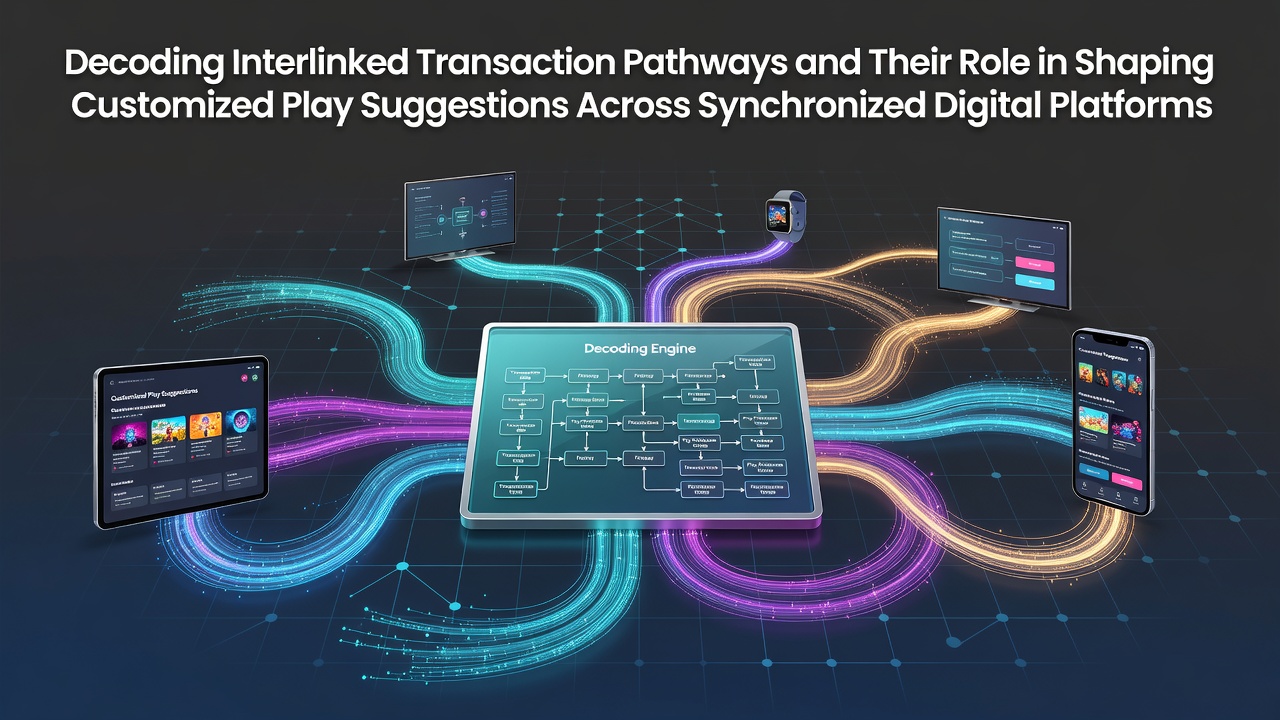
Decoding Interlinked Transaction Pathways and Their Role in Shaping Customized Play Suggestions Across Synchronized Digital Platforms
Interlinked transaction pathways consist of data streams that connect user actions across synchronized digital platforms, and these networks process payment records, game selections, and session timings to generate tailored play recommendations. Researchers at academic institutions have documented how platforms synchronize user accounts through shared identifiers, allowing transaction histories from one device to influence suggestions on another. Data indicates that such pathways operate via secure APIs that link mobile apps with desktop interfaces, and this synchronization occurs in real time during active sessions.
Mechanics of Transaction Data Integration
Transaction pathways begin with individual user actions such as deposits, withdrawals, and in-game purchases, which platforms record as discrete data points before merging them into unified profiles. Studies from European research centers show that these merged profiles incorporate timestamps, device types, and geographic locations, while algorithms cross-reference the information to identify patterns in spending behavior. Observers note that synchronization across platforms relies on cloud-based servers that update continuously, and this process enables platforms to maintain consistent user experiences even when users switch between applications.
According to reports from the Australian Communications and Media Authority, transaction data flows through encrypted channels that prevent unauthorized access, yet the same pathways allow authorized systems to pull historical records for analysis. Those who have examined industry implementations find that machine learning models then interpret these records to forecast likely next actions, and the models adjust recommendations based on recent transaction volumes rather than static preferences alone.
Role in Generating Customized Play Suggestions
Customized suggestions emerge when platforms map transaction pathways onto recommendation engines that prioritize games matching observed spending rhythms. Figures from North American gaming operators reveal that users who complete frequent small transactions often receive prompts for low-stakes table games, whereas larger single deposits correlate with invitations to high-limit slots. The linkage operates through feedback loops where each completed suggestion feeds back into the pathway, refining future outputs without requiring explicit user input.
Platforms operating in September 2026 continue to refine these systems as device synchronization standards evolve, and experts have observed that cross-platform consistency reduces friction for users who move between phones, tablets, and computers during a single session. Research indicates that the accuracy of suggestions improves when pathways incorporate data from multiple funding sources, including credit cards, e-wallets, and cryptocurrency transfers.
Technical Infrastructure Supporting Synchronization
Digital platforms maintain synchronization through distributed ledger elements that log each transaction step, and these logs connect via unique session tokens that persist across devices. Industry analyses from Canadian regulatory bodies demonstrate that latency in pathway updates can disrupt suggestion quality, prompting operators to invest in edge computing resources that process data closer to user locations. The resulting architecture supports rapid retrieval of historical transaction sequences, which recommendation engines use to rank available games according to similarity scores.
One study revealed that platforms employing these methods achieve higher retention rates when suggestions align closely with recent transaction clusters, and the same study highlighted how pathway interruptions from network issues temporarily degrade personalization until data reconciliation completes. Observers note that security protocols embedded in these pathways simultaneously protect sensitive financial details while permitting analytical access for recommendation purposes.
Regulatory and Operational Considerations
Regulatory frameworks in various jurisdictions require platforms to disclose how transaction data informs suggestions, and compliance audits examine whether pathways maintain separation between financial records and marketing outputs. Data from the Netherlands Gambling Authority shows that operators must implement audit trails documenting every data transfer within interlinked systems, and these trails help verify that customized suggestions do not cross into prohibited targeting categories. Platforms adjust their synchronization protocols to meet these requirements without interrupting user-facing features.
What's interesting is that transaction pathway design also influences how platforms handle multi-currency environments, where conversion rates and regional payment preferences feed into suggestion algorithms. Those who've studied this area find that accurate currency handling prevents mismatches between suggested games and available funding methods, maintaining seamless experiences across borders.
Conclusion
Interlinked transaction pathways serve as the backbone for data-driven customization across synchronized digital platforms, connecting individual actions into coherent profiles that power relevant play suggestions. As synchronization technologies advance through 2026 and beyond, the precision of these systems continues to depend on secure, efficient data integration methods. Regulatory oversight and technical refinements together shape how platforms leverage these pathways while meeting operational standards in multiple regions.