How Diverse Transaction Methods Influence Access Patterns to Interactive Table Options in App-Based Gaming Environments
Parker Carter · Nov 14, 2026
How Diverse Transaction Methods Influence Access Patterns to Interactive Table Options in App-Based Gaming Environments
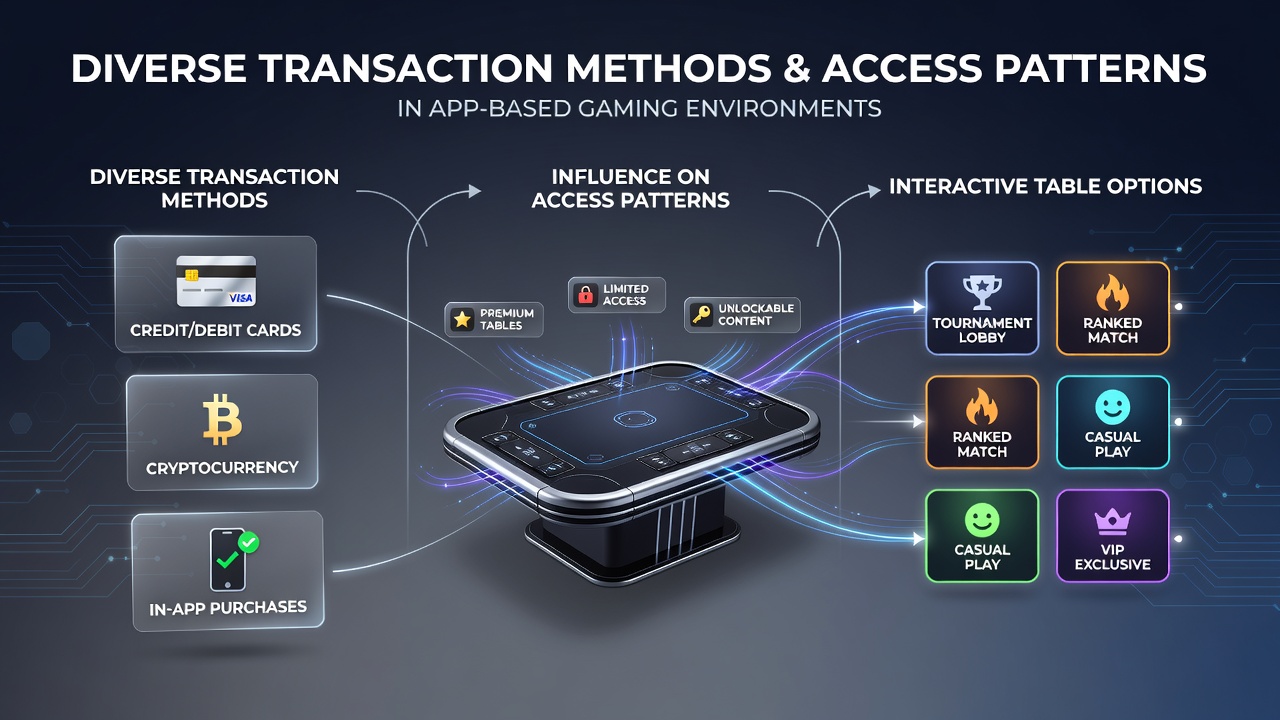
Transaction methods in app-based gaming environments shape how players reach interactive table options such as blackjack, roulette, and poker variants, since deposit speed, fee structures, and regional availability determine session timing and game selection. Data from industry tracking services shows that credit card users often complete deposits in under two minutes while cryptocurrency transfers require additional confirmation steps that extend to fifteen minutes or more in many cases. These differences create distinct access patterns where faster methods correlate with higher engagement in low-stakes tables during short mobile sessions and slower methods align with scheduled evening play on higher-limit variants.
Core Transaction Categories and Their Technical Features
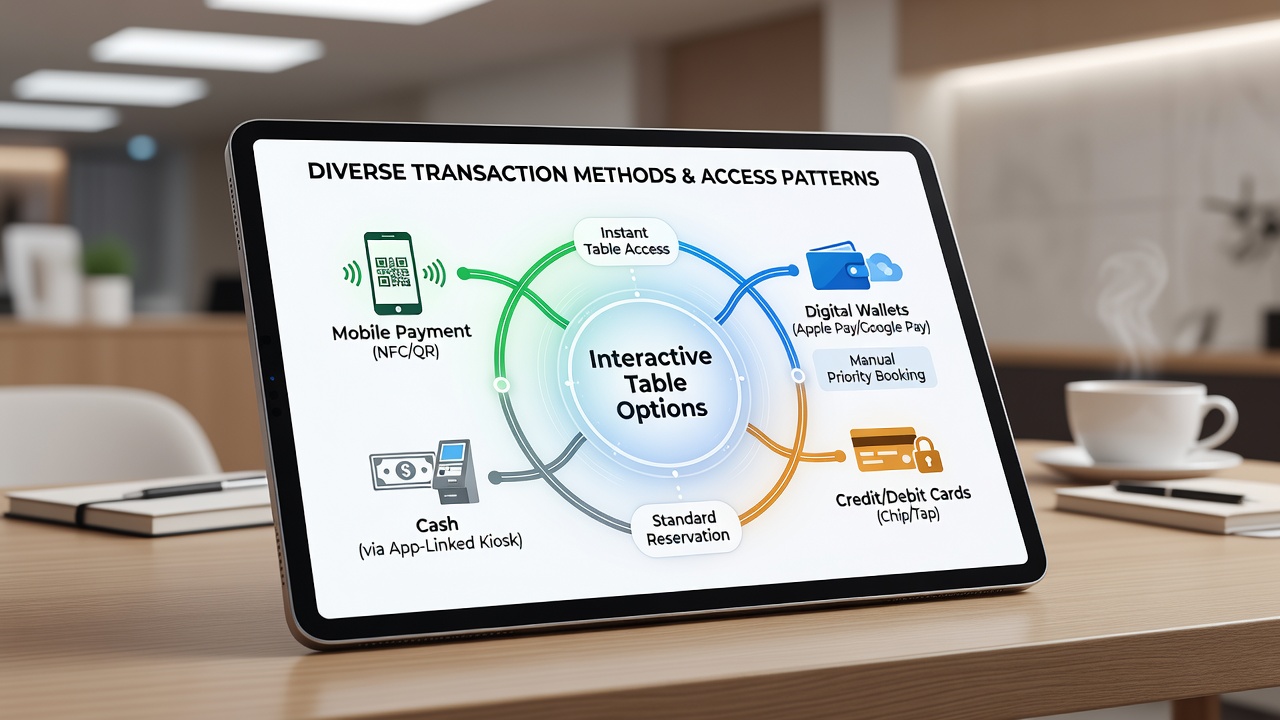
App platforms integrate several payment categories including traditional cards, digital wallets, bank transfers, and digital currencies, each carrying specific processing times and verification layers that affect table access. Card payments typically route through established processors that allow instant funding once initial account verification clears, whereas bank transfers depend on clearing schedules that vary by institution and time zone. Digital wallets add an intermediate layer that sometimes reduces friction for repeat users yet introduces daily transaction caps that limit access to premium table rooms. Cryptocurrency options rely on blockchain confirmations that fluctuate with network congestion, producing variable wait times that influence whether players opt for quick-play tables or reserve spots in tournament-style environments.
Observed Shifts in Player Behavior Across Payment Types
Research indicates that players using digital wallets show higher frequency of short-duration sessions focused on European roulette and Caribbean stud variants, while those relying on bank transfers demonstrate longer planning intervals before entering high-stakes poker tables. Studies from academic institutions reveal that cryptocurrency adopters often cluster around tables with progressive jackpot features because the method supports larger single transfers without repeated verification prompts. Observers note that card-based users frequently switch between multiple table types within one session because rapid deposit confirmation enables seamless movement from one game lobby to another without exiting the app interface.
Regional Regulatory Factors Affecting Method Availability
Regulatory frameworks in different jurisdictions determine which transaction methods appear inside gaming apps and thereby steer access patterns toward specific table options. In markets where electronic fund transfers face stricter reporting thresholds, players gravitate toward tables that accept smaller buy-ins to stay within daily limits. November 2026 data releases from several oversight bodies highlighted increased adoption of regulated digital currencies in certain provinces, coinciding with expanded availability of multi-hand blackjack tables inside approved applications. Platforms adjust table menus based on accepted funding sources, so users in regions with restricted card processing encounter fewer live dealer options until alternative methods receive approval.
Impact on Session Duration and Table Selection Patterns
Access patterns further diverge when transaction fees and minimum deposit amounts interact with table buy-in requirements. Players utilizing methods with flat fees tend to select tables where the buy-in covers the cost more efficiently, resulting in longer average session lengths on mid-stakes variants. Evidence from platform analytics shows that zero-fee digital wallet transactions encourage experimentation across multiple table types within the same hour, whereas methods carrying percentage-based fees correlate with single-table loyalty once a player commits funds. These patterns hold across both casual and structured play environments because the initial funding step sets the economic parameters for the entire session.
Integration of Verification Layers and Access Timing
Verification requirements tied to each transaction method add another variable that influences when players gain entry to interactive tables. Enhanced checks for larger transfers can delay access by several hours, prompting users to pre-fund accounts during off-peak periods so that evening table play remains uninterrupted. Platforms that offer instant verification for smaller recurring deposits see steadier traffic toward quick-turnover games such as three-card poker. Data compiled by research groups indicates that users who complete identity checks once across multiple methods maintain more consistent access patterns than those who switch methods frequently and encounter repeated verification cycles.
Conclusion
Transaction method diversity directly molds access patterns to interactive table options by determining deposit speed, cost structures, and regulatory compliance steps that players must navigate inside app-based gaming environments. Patterns observed across regions demonstrate that faster, lower-friction methods expand table variety and session frequency while slower or capped methods concentrate activity around specific game types and timing windows. Continued evolution of payment infrastructure alongside regulatory updates will sustain these differentiated access behaviors as platforms refine how each funding channel connects to available table selections.